How to Write a Reflection Paper: Structure, Models and a Worked Example
A reflection paper is not a diary entry. It describes an experience briefly, works out what it meant, and ends with what you will do differently.
in short
To write a reflection paper, introduce the experience and why it mattered, describe it briefly, then analyze why things happened as they did, using course ideas where required. End with what you learned and a plan for next time. Write in the first person and keep description short, since the learning comes from analysis.
Knowing how to write a reflection paper comes down to one balance: describe the experience just enough, then spend most of your words on what it taught you. A reflection paper, or reflective essay, asks you to think on paper about something you did, saw or read, and to show what changed in your understanding. This guide sets out the reflection paper format as the University of Edinburgh's Reflection Toolkit describes it, two reflective writing models (the Gibbs reflective cycle and What? So what? Now what?), the language that suits academic reflection, and a worked example. The example reflection was written for this page.
What a reflection paper is (and is not)
Describe enough to follow; analyze enough to learn.
The Edinburgh Reflection Toolkit's page on the structure of academic reflections opens by correcting a common belief: reflection is not just a personal diary about your day and your feelings. Academic reflective writing, it says, needs both the right language and a clear structure, and that structure should closely mirror an academic essay, with an introduction, a main body and a conclusion.
The same page gives the key rule for balance. There is no fixed proportion for description versus analysis, but because learning tends to happen when you analyze and synthesize rather than describe, a good rule of thumb is to describe just enough for the reader to understand your context. Most weak reflection papers fail here: three paragraphs of what happened and one sentence of what it meant.
Reflection paper format
Edinburgh offers an example structure for when you have no other guidance, and stresses that it is only a suggestion. Here it is in table form, paraphrased.
| Section | What it contains (per Edinburgh) | Example of one sentence (written for this page) |
|---|---|---|
| Introduction | The experience or learning you will discuss, why it was important, and optionally the key themes to come | Leading my group's first class presentation taught me more about planning than about public speaking. |
| Main body | One theme or learning per paragraph; each experience explored, then analyzed to build new learning, with theory if the assignment requires it | We ran four minutes over because no one had timed the slides together. |
| Conclusion | Your learning stated or restated, how it will change your future practice, and a direct answer to the prompt if there is one | Next time I will run a full timed rehearsal two days before, not the night before. |
Edinburgh notes you can open either with what you learned and use the body to show it, or with the event and build up to the learning; both can work. For building each body paragraph around one point, see how to write a paragraph.
The Gibbs reflective cycle
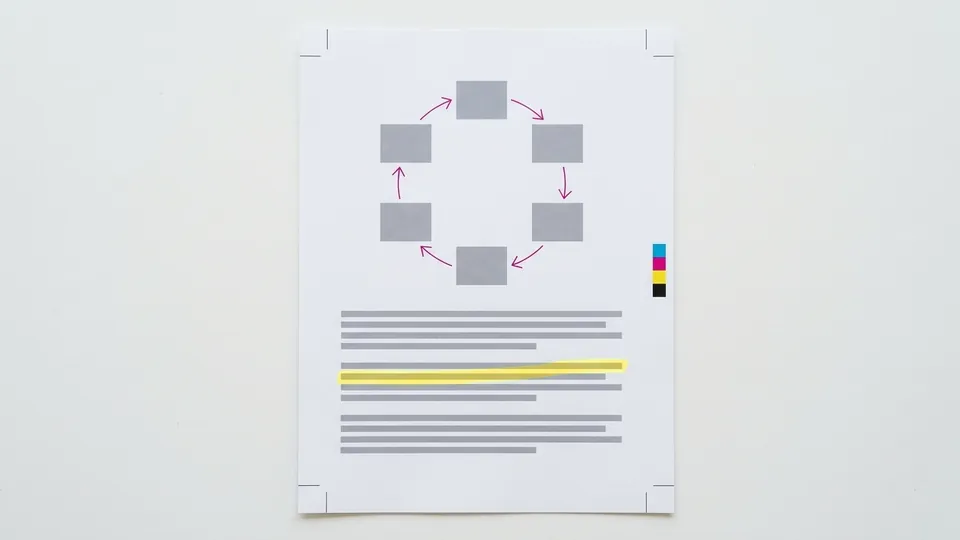
The Edinburgh toolkit's page on Gibbs' Reflective Cycle says the model was developed by Graham Gibbs in 1988 to give structure to learning from experiences, and that its cyclic shape suits repeated experiences in particular. It covers six stages: description of the experience; feelings and thoughts about it; evaluation of what was good and bad; analysis to make sense of the situation; a conclusion about what you learned and could have done differently; and an action plan for similar situations in the future.
| Stage | A guiding question (paraphrased from Edinburgh) | Example sentence (written for this page) |
|---|---|---|
| Description | What happened, and what did you want to happen? | Our four-person group presented a 10-minute talk on local water use. |
| Feelings | What were you thinking and feeling before, during and after? | I felt confident beforehand and rushed once the timer passed ten minutes. |
| Evaluation | What went well and what did not? | The research was solid; the timing and the handovers were not. |
| Analysis | Why did it go that way, and what ideas help explain it? | We had each rehearsed alone, so no one knew how long the whole talk ran. |
| Conclusion | What did you learn, and what else could you have done? | A group talk needs a group rehearsal, not four solo ones. |
| Action plan | What will you do differently, and how will you make sure you do? | I will book a room for a timed run-through two days before the next talk. |
Edinburgh points out that the analysis stage is the natural place to bring in academic literature if your assignment asks for it, and that the action plan for a one-off experience may be more general.
A shorter model: What? So what? Now what?
For a short reflection, the Edinburgh toolkit's page on What? So what? Now what? describes one of the simplest frameworks. It says Driscoll developed the model in 1994 from three questions first asked by Terry Borton in 1970. "What?" describes the situation, including facts and feelings; "So what?" draws out its meaning and the knowledge that helps explain it; "Now what?" builds an action plan. Edinburgh names the trade-off plainly: the model is easy to remember, but answering only the three headline questions may not reach critical depth, so use its prompts to go further.
| Gibbs reflective cycle | What? So what? Now what? | |
|---|---|---|
| Stages | Six | Three |
| Best for | Longer papers and repeated experiences | Short reflections and journal entries |
| Where analysis happens | Evaluation and analysis stages | "So what?" |
| Main risk | Spending too long on description and feelings | Staying shallow if you answer only the headline questions |
The language of reflective writing
The Edinburgh page on the language of academic reflections gives specific advice. Use "I" and other personal pronouns, since reflections center on you, but keep the language succinct, formal and subject-specific. When describing, be clear, precise and as objective as possible, and almost always use the past tense. When writing about feelings, use thinking and sensing verbs, avoid using "feel" to disguise a judgment, use the present tense only for feelings you have at the time of writing, and present feelings that have been processed rather than written in the heat of the moment. When analyzing, use comparing and causal words such as "unlike," "therefore" and "because"; when planning, use future-tense verbs such as "will" and "intend to." That mix of personal and formal is a matter of tone in writing.
How to write a reflection paper in six steps
Read the prompt for its question
Underline what you are asked to reflect on and whether course readings or theory must appear. Edinburgh says a conclusion should answer the prompt directly if there is one.
Choose a model
Use Gibbs for a longer paper or a repeated experience, or What? So what? Now what? for a short one. Draft notes under each stage.
Cut the description
Keep only the facts a reader needs to follow your analysis. If description fills more than about a paragraph of a short paper, trim it.
Analyze each point
For each thing that went well or badly, ask why. Bring in course ideas here if they are required, and give one theme per paragraph.
State the learning
Say plainly what you now understand that you did not before. Avoid general lessons that could follow any experience.
Plan and close
End with specific actions and how you will make sure they happen. The guide to conclusions has more on final paragraphs.
A worked example of a reflection paragraph set
Here is a short reflection built on the What? So what? Now what? model for an imagined first-year course. The whole reflection was written for this page as an example.
What? (example): "Last week my group of four gave a ten-minute presentation on water use in our town. We ran four minutes over, and the instructor stopped us before our final slide, which held our recommendations. I felt prepared before we started and embarrassed when we were cut off."
So what? (example): "Looking back, I think the problem was not speaking speed but planning. Each of us had timed our own section, but we never ran the talk from start to finish, so no one knew the handovers and repeated introductions added several minutes. Because the recommendations came last, the most important part was the part we lost. I now see that dividing work only saves time when someone also plans how the parts fit together."
Now what? (example): "For the next group talk, I will suggest that we put the main recommendation on the second slide and book a room for a full timed rehearsal two days before. I intend to act as timekeeper myself, so the check actually happens."
Notice the proportions: the description is three sentences, the analysis is the longest part and explains a cause, and the plan is specific enough to check later.
Pitfalls
- Retelling instead of reflecting. Edinburgh warns that the majority of a reflective piece should not be description.
- Venting. Edinburgh says feelings in academic reflection should help the reader understand the situation; it is not a place to rant.
Tips
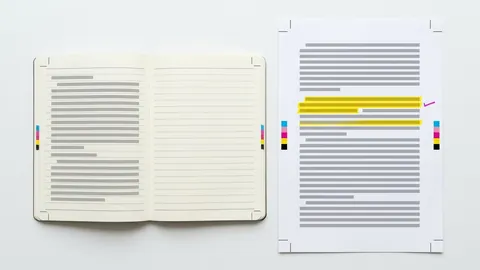
- Highlight the analysis. Mark every sentence that explains why in one color. If little of the page is marked, add analysis before polishing.
A reflection paper earns its marks in the analysis: a short description, an honest account of why things went as they did, and a plan specific enough to check. Pick a model, keep the description brief, and write the learning in plain, first-person sentences. More writing guides are on the study hub.
Common questions
What is the format of a reflection paper?
A reflection paper usually follows essay structure: an introduction naming the experience and why it mattered, body paragraphs that each explore and analyze one experience or theme, and a conclusion that states what you learned and how it will change your future practice. The University of Edinburgh's Reflection Toolkit says the structure should closely mirror an academic essay.
What are the six stages of the Gibbs reflective cycle?
The six stages are description, feelings, evaluation, analysis, conclusion and action plan. The University of Edinburgh's Reflection Toolkit says Graham Gibbs developed the model in 1988 to give structure to learning from experience. You describe what happened, explore your thoughts, judge what went well and badly, make sense of it, state the learning, and plan for next time.
Can I use "I" in a reflection paper?
Yes. Reflection centers on your own experience, so first-person pronouns are expected. The Edinburgh Reflection Toolkit's guidance on language says to use "I" and other personal pronouns while keeping the language succinct, formal and subject-specific, as you would in an essay. Use the past tense for describing events and future-tense verbs for your plans.
How much of a reflection paper should be description?
As little as the reader needs. Edinburgh's toolkit says there is no fixed proportion, but because learning tends to come from analyzing rather than describing, a good rule of thumb is to describe just enough for the reader to understand the context. In a short paper that is often a few sentences, with analysis taking most of the space.
What is the What? So what? Now what? model?
It is a three-question reflection model. Edinburgh's toolkit says Driscoll developed it in 1994 from questions first asked by Terry Borton in 1970. "What?" describes the situation, "So what?" works out what it means and what explains it, and "Now what?" sets a plan for the future. Use its fuller prompts to avoid a shallow reflection.
Sources
sign-off
Checked against its sources and signed before it went out.
Nora Feld
Editor · reviewed 26 Nov 2026