How to Write a Summary: From Highlights to a Short, Fair Account of the Source
A summary is the source's argument at a fraction of its length, in your words, with nothing added. The fastest route to one starts with a highlighter and ends with the source closed.
in short
To write a summary, read the source through, highlight only its main claims, and list them in order. Close the source and write the main point first, then the supporting points, in your own words. Check the draft against the source for accuracy and missing points, keep your opinions out, and name the author and title.
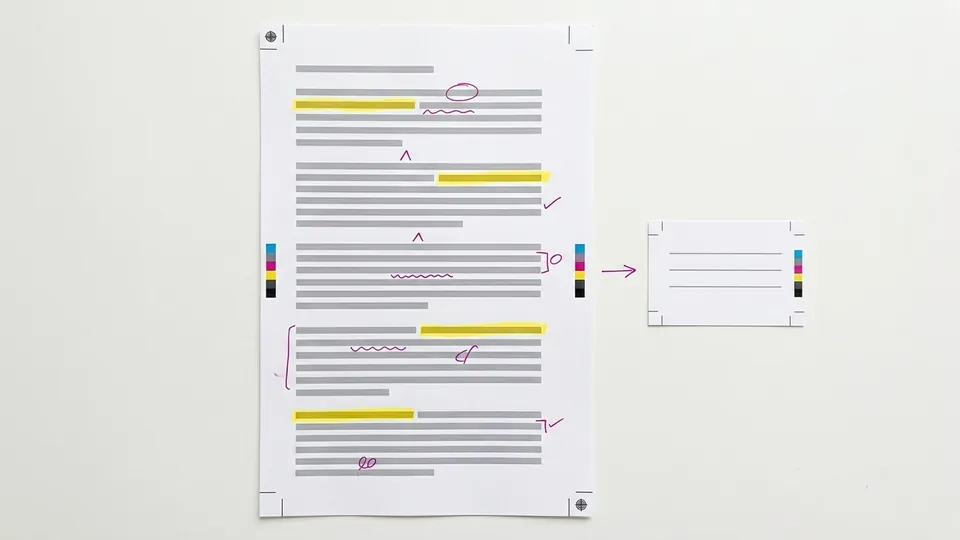
Knowing how to write a summary is mostly knowing what to leave out. A good summary gives the source's main point and its main supporting points, in your own words, much shorter than the original, and with the source named. It does not add your opinion, and it does not keep the examples just because they were vivid. This page turns that definition into a method that starts with your highlights: mark the main claims, list them, write the summary without looking, check it against the source, and cite it. A worked example on a short passage shows each step.
What a summary is, and how it differs from a paraphrase
A quotation keeps the words. A paraphrase keeps the detail. A summary keeps the point.
The Purdue OWL separates the three ways of using a source by how close you stay to it. In its handout on quoting, paraphrasing and summarizing, quotations must match the source word for word; a paraphrase puts a passage into your own words and is usually somewhat shorter than the original; a summary puts the main idea or ideas into your own words, includes only the main points, and is significantly shorter, taking a broad overview of the source. All three must be attributed to the original.
So the difference between a summary and a paraphrase is scope. A paraphrase restates one passage with most of its detail. A summary restates a whole source, or a whole section, with most of its detail gone. If you need to restate a single paragraph closely, use the method in the guide to paraphrasing without copying the source's structure instead.
| Quotation | Paraphrase | Summary | |
|---|---|---|---|
| Wording | Identical to the source | Your own words | Your own words |
| Coverage | A narrow segment | One passage, most of its detail | The whole source, main points only |
| Length | Same as the original segment | Usually somewhat shorter | Significantly shorter |
| Citation | Required | Required | Required |
How long a summary should be
There is no single right length; the length follows your purpose. The Purdue Fort Wayne Writing Center's summary handout names three common sizes: a brief summary of one to two sentences (sometimes called a précis) that holds only the author's main points; a summary of one long or two short paragraphs that sets up your own analysis; and a summary of about 10% of the original's length that helps your reader understand the original. Pick one before you start; it decides how many highlights survive.
How to write a summary from your highlights
The method follows the order the writing center handouts use, plus two additions, the list and the closed-book draft, which stop the commonest fault: the source's own sentences lightly reworded.
Read the whole source once without marking
Get the shape of the argument first. On scratch paper, write the point of the piece in one sentence. The Chabot College WRAC Center handout suggests you will usually find it in the introduction and the conclusion.
Reread and highlight only the main claims
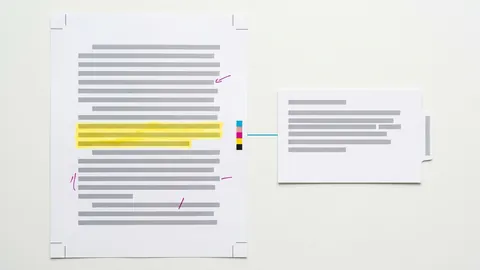
Mark the thesis and the sentence in each section that states a new point. Chabot's handout advises checking the beginnings of paragraphs for topic sentences and normally leaving supporting facts unhighlighted. One highlight per paragraph is a good ceiling.
List the highlighted claims
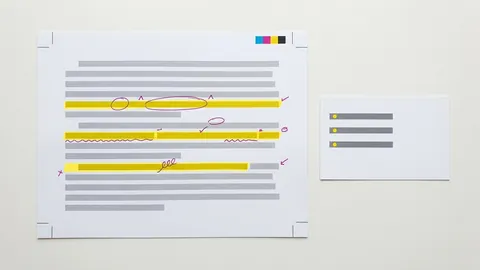
Copy each highlight onto a numbered list, then shorten each to a phrase. Remove duplicates and group related points, as the Purdue Fort Wayne handout suggests, even when the source scatters them. This list is your outline.
Close the source and write
Start with the author, the title and the main point in one sentence, two at most. Then write each point from your list in your own words, in an order that makes sense. Writing without the source open is what keeps the sentences yours.
Check the draft against the source
Reopen the source and compare. Is every main point there? Is anything in the summary that the author did not say? Did a phrase of theirs slip in unquoted? Fix each one, and put quotation marks around any distinctive wording you decided to keep.
Cite it
Name the author and title in the summary and add the citation your style requires. A summary is still the author's ideas, so it is cited like a quotation or a paraphrase.
If you already keep notes from your reading, the list in step three may exist before you start. The routine in turning highlights into notes you can study from produces exactly this kind of short, numbered list.
A worked example: summarizing a short passage
Here is a passage written for this page as an example. It is not from a real source; treat it as an op-ed by a writer we will call J. Okafor, titled Keep the Library Open Late.
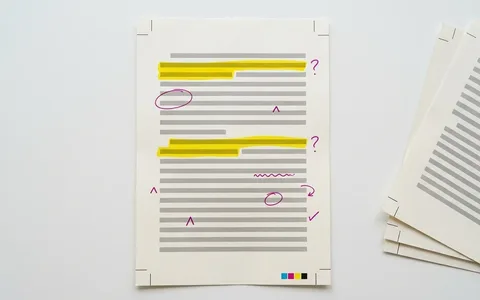
Highlights. Following step two, three sentences get marked: "the cost of closing is paid elsewhere," "it is the one quiet, free, safe place many students have," and "Opening until two in the morning for the four weeks of exams would cost far less than a single new building project." The cafes and the commuters are supporting detail, so they stay unmarked.
List. (1) Library closes at ten in exam season; the administration cites cost. (2) Closing shifts the cost to students. (3) The library is the only quiet, free, safe study space for many. (4) Late opening for four weeks is cheap compared with building projects. (5) Thesis: treat exams as the busiest season.
Closed-book draft. "In Keep the Library Open Late, J. Okafor argues that the campus library should stay open until 2 a.m. during the four weeks of exams. Okafor grants that the administration closes at ten to save on staff and heating, but argues that the closure moves the cost onto students, who lose the only quiet, free and safe place many of them have to study. Extending the hours, Okafor says, would cost far less than a building project and would help the students who need the space most."
Check. Against the source: the thesis is there, the counterargument is there, the main reason and the cost comparison are there. The phrase "quiet, free and safe" is very close to the original wording, so either quote it or rephrase it ("the only calm study space that costs them nothing"). Every claim is attached to Okafor by name, and no sentence says whether Okafor is right. At 85 words against the passage's 127, it is a one-paragraph summary that can introduce the argument before you respond to it.
Common mistakes when writing a summary
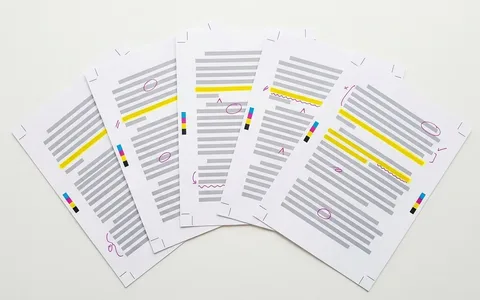
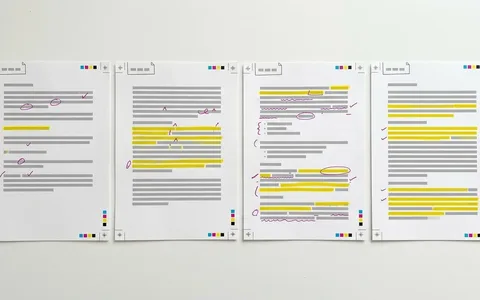
- Highlighting everything. If half the page is yellow, the list in step three is the source again. Mark the claims, not the evidence.
- Following the source sentence by sentence. A summary that tracks the original's order and phrasing line by line is a long, loose paraphrase. Writing from your list with the source closed breaks the pattern.
- Adding your opinion. The Chabot handout says to keep your own opinions out of the part that states the author's conclusions, and the Purdue Fort Wayne handout says summaries by nature do not evaluate. Put your response in a separate paragraph.
- Dropping the author. Readers should never wonder whose claim a sentence is. Keep signals like "Okafor argues" running through it.
Tips from writing centers
- Open with the thesis. Both the Purdue Fort Wayne and Chabot handouts begin the summary with what the original is about and its main argument.
- Check names and titles letter by letter. Chabot's handout ends its steps with a proofread that compares the spelling of titles, authors, names and key terms with the original.
- Use a checklist. Chabot's list asks whether the summary has the title and author's name, the thesis and main ideas, no interesting but minor points, your own words, quotations only where appropriate, a clear logical order and transitions between ideas.
- Keep summary and analysis apart. Walden University's Writing Center notes that summary is a useful first step in writing with sources but is not the same as synthesis. Write the summary first, then build on it.
Keep the marked copy, or a highlight link to each claim, with the summary; it shows where every point came from. The other guides to keeping highlights as a record of your reading cover how to store them, and the citation guide for quotations in three styles covers the citation itself.
A summary starts from the main claims; how to find the main idea shows how to spot them, and how to write an abstract covers the summary of your own research.
A summary is a short, fair account of someone else's argument. Highlight only the main claims, list them, write from the list with the source closed, check the draft against the source, and cite it. The highlights do double duty: they are your outline while you write and your evidence afterwards that every point came from the source. Try the method on the next article you read, and keep the marked copy beside the summary.
Common questions
What are the steps to write a summary?
Read the whole source once, then reread it and highlight only the main claims. List those claims as short phrases. Close the source and write the summary from the list, opening with the author, the title and the main point. Then check the draft against the source for accuracy and missing points, and add a citation.
How long should a summary be?
It depends on its purpose. The Purdue Fort Wayne Writing Center describes three common sizes: one to two sentences with only the main points, one long or two short paragraphs to set up your analysis, and about 10% of the original's length to help a reader understand the original. Pick the size before you start.
What is the difference between a summary and a paraphrase?
A paraphrase restates one passage in your own words and keeps most of its detail, so it is usually only somewhat shorter than the original. A summary restates the main ideas of a whole source in your own words and is significantly shorter. Both need a citation, as the Purdue OWL notes.
Should a summary include my opinion?
No. A summary reports what the author argued, not whether you agree. The Purdue Fort Wayne handout says summaries by nature do not evaluate the content or style of the original. If your assignment asks for a response, write it as a separate paragraph after the summary so readers can tell the two apart.
Can I use quotes in a summary?
Yes, sparingly. A short quotation is useful when the author's exact wording matters, such as a key term or a striking phrase. Put the words in quotation marks and cite them. The rest of the summary should be in your own words; a summary made mostly of quotations is not doing its job.
Sources
sign-off
Checked against its sources and signed before it went out.
Nora Feld
Editor · reviewed 2 Nov 2026