

Rhetorical Analysis: What It Is, How to Annotate for It, and a Worked Example
A rhetorical analysis asks how a text tries to move its audience and how well it works. You are judging the choices, not agreeing or disagreeing with the message.
in short
A rhetorical analysis examines how an author tries to persuade a specific audience and how effective those choices are. You identify the rhetorical situation (speaker, audience, purpose, context), mark the appeals and techniques the text uses, then argue in a thesis how and why those choices work or fail for that audience.
A rhetorical analysis is an essay about how a piece of communication works on its audience. Instead of asking whether a speech or article is right, you ask what the author is trying to do, for whom, in what moment, and which choices help or hurt that effort. This guide covers the rhetorical situation, the classical appeals, the SOAPSTone checklist, how to annotate a text for rhetoric, how to structure the essay, and a worked example built on a short passage from a speech that is in the public domain.

What is a rhetorical analysis?
The question is not whether the author is right. It is how the text tries to change a reader's mind, and whether it succeeds.
The Norfolk State University Writing Center's rhetorical analysis tip sheet puts it plainly: the assignment "asks you to analyze the effectiveness or persuasiveness of an argument." It adds that analytical writing goes beyond describing or summarizing, so the who and what questions of a summary give way to why, how and so what.
It is a close cousin of a close reading: a close reading asks what a text means; a rhetorical analysis asks what it is trying to do to its audience.
The rhetorical situation
The Purdue OWL's page on rhetorical situations defines the term as "any set of circumstances that involves at least one person using some sort of communication to modify the perspective of at least one other person."
Name the parts (who, to whom, about what, for what purpose, in what moment) before you analyze any technique. The same joke can build trust at a retirement party and destroy it in a eulogy.
SOAPSTone: a checklist for the situation
Many classes use SOAPSTone, which the College Board's Pre-AP handout on writing tactics using SOAPSTone lays out as six questions. The handout pushes past easy answers: it is not enough simply to name the speaker, and not enough to say the audience is anyone who reads it.
| Letter | Question | What the College Board handout asks for |
|---|---|---|
| S | Who is the Speaker? | More than a name: what you can say about the speaker based on references in the text. |
| O | What is the Occasion? | Both the larger occasion (the issues behind the text) and the immediate occasion (what prompted this piece now). |
| A | Who is the Audience? | A specific audience described by its characteristics, not "anyone who reads it." |
| P | What is the Purpose? | What the message is and how the author wants this audience to respond. |
| S | What is the Subject? | Stated in a few words or a very short phrase. |
| Tone | What is the Tone? | A description that fits the piece as a whole, supported by specific words or phrases from the text. |
For words more exact than "serious" or "emotional," see tone in writing.
Ethos, pathos, logos and kairos
The NSU tip sheet groups the classical appeals by where they point. Ethos is about the author or speaker: an appeal to ethics, credibility, qualifications or character. Pathos is about the audience: an appeal to its emotions, values and beliefs. Logos is about the argument: an appeal to logic and reason. Kairos is about timing: the "season," "opportunity," or "timeliness" of an argument.
| Appeal | Look for (per NSU) | Questions to ask |
|---|---|---|
| Ethos (speaker) | Biographical or professional information, credible sources, accurate citation, language and tone suited to the audience | Is the author credible on this issue? Does the author acknowledge and respond to counterarguments? |
| Pathos (audience) | Stories, anecdotes, personal connections, imagery and figurative language, language that inspires an emotional response | What values does the text call on? Does the feeling support the claim or distract from it? |
| Logos (argument) | Facts, reasons, statistics, definitions, cause and effect, counterargument and rebuttal | Is the argument consistent and clear? Is the support enough for the claim? |
| Kairos (timing) | A tone and message fitted to the moment | Does the author take advantage of the timeliness of the issue? |
The tip sheet's most useful line is about phrasing. Rather than writing that "the author uses pathos to persuade" the audience, it suggests naming the technique: "The author uses imagery to appeal to the audience's emotions."
How to annotate a text for rhetoric
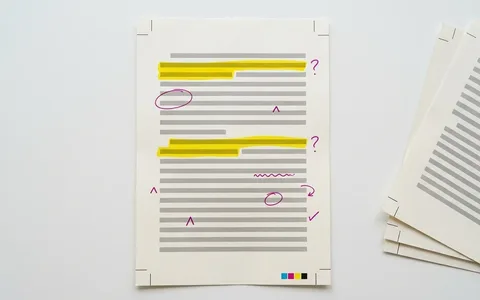
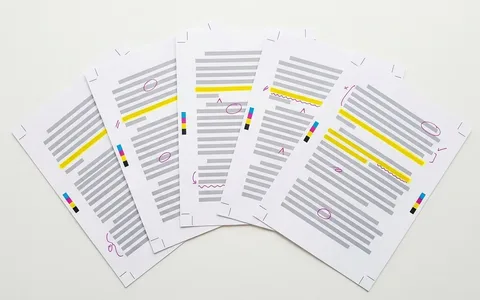
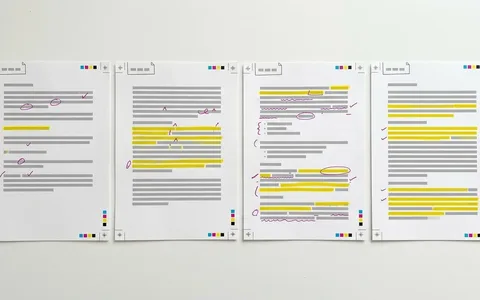
NSU's first step is to read and annotate the text, using strategies such as asking questions, defining key concepts, and reading both with the grain (extending the author's argument) and against it (resisting or challenging it). A marking plan keeps those notes sortable. The general method is in how to annotate a text; for rhetoric, a short highlighter color code works well.
Read once without marking
Write one sentence in the margin: what does this text want its audience to do or believe?
Fill in SOAPSTone
Note speaker, occasion, audience, purpose, subject and tone at the top of the page, each with a line or two of evidence.
Mark the appeals in colors
For example, one color for credibility moves, one for emotional language and images, one for reasons and evidence.
Underline patterns
Repeated words, parallel phrases, lists, shifts in pronouns (I, you, we), and changes in tone. Patterns are where choices show.
Write a margin note for each mark
Not just the label but the effect: what this choice does for this audience at this moment.
Group the marks
Look for two or three clusters that explain how the whole text works. Those clusters become your body paragraphs.
A worked rhetorical analysis example
The passage below is the final paragraph of Abraham Lincoln's Second Inaugural Address, delivered on March 4, 1865, quoted word for word from the Avalon Project text at Yale Law School. The analysis notes after it were written for this page as an example.
SOAPSTone notes (example)
- Speaker: a president beginning a second term during a civil war; earlier in the same address he says the progress of the war is well known to the public and "reasonably satisfactory and encouraging to all."
- Occasion: the larger occasion is the war and what comes after it; the immediate occasion is the inauguration itself.
- Audience: the crowd at the ceremony and a divided national readership still living through the war.
- Purpose: to set the spirit in which the war should end and the peace should be made.
- Subject: the terms of a coming peace.
- Tone: solemn and conciliatory; "malice toward none" and "charity for all" set it in the first line.
Annotations (example)
- Repetition. "With ... with ... with" opens three parallel phrases, then "to finish ... to bind up ... to care ... to do" lists four tasks. The structure makes a long sentence easy to follow aloud.
- Ethos through humility. "As God gives us to see the right" qualifies the speaker's own certainty. A victor who admits limits sounds less like a victor.
- Pathos through images. "Bind up the nation's wounds" treats the country as an injured body; "his widow and his orphan" gives the cost a human face.
- The pronoun shift. "Let us" folds speaker and listeners into one group with shared work, which matters because the address has just said of both sides: "Both read the same Bible and pray to the same God."
- Kairos. The tone fits a moment when victory looked likely, so the open question was how to treat the defeated side, not whether to keep fighting.
Thesis (example)
"In the closing paragraph of his Second Inaugural Address, Lincoln turns a likely victory into an argument for mercy: by qualifying his own certainty, folding listeners into a shared 'us,' and describing the nation as a wounded body to be cared for, he asks an audience still at war to see reconciliation as unfinished work rather than a concession." Each clause names a technique and becomes one body paragraph. For more on building a claim like this, see how to write a thesis statement.
How to structure a rhetorical analysis essay
- Introduction: name the text, author, date and occasion, sum up its purpose in a sentence, and end with a thesis about how and how well the text works. NSU says the thesis should make your analytical and evaluative judgment clear.
- Body paragraphs: one technique or cluster each. Open with a topic sentence that makes a claim, quote the exact words, then explain the effect on this audience. NSU asks for specific examples from the text as evidence.
- Conclusion: say what the analysis shows about the text as a whole and why the choices matter, without listing the appeals again. The guide to writing a conclusion covers strategies.
Keep the summary short, organize by technique rather than line by line, and cite every quotation; how to cite a quote has the formats.
Pitfalls
- Arguing with the author. Whether you agree with Lincoln is a different essay. Your claim is about how the text works on its audience.
- Label spotting. "This is pathos" is an observation, not an analysis. Say what the choice does and for whom.
- Ignoring the audience. Every claim should name who is being persuaded.
A good rhetorical analysis starts with careful marking: the situation first, then the appeals and patterns, then the two or three clusters that explain how the whole text works. Argue about those choices, quote exactly, and keep summary short. More guides to reading and writing closely are on the study hub.
Common questions
What is a rhetorical analysis?
A rhetorical analysis is an essay that examines how a text tries to persuade its audience and how effective those choices are. Norfolk State University's Writing Center describes the assignment as analyzing the effectiveness or persuasiveness of an argument. You judge the author's techniques in context, not whether you agree with the message.
What are ethos, pathos and logos?
They are the classical persuasive appeals. Ethos appeals through the speaker's credibility and character, pathos through the audience's emotions, values and beliefs, and logos through logic, reasons and evidence. Many guides add kairos, the timeliness of an argument. Most texts combine several appeals, and the analysis explains how they work together.
What is the rhetorical situation?
The rhetorical situation is the set of circumstances around a piece of communication. The Purdue OWL defines it as any set of circumstances involving at least one person using communication to modify the perspective of at least one other person. In practice you name the speaker, audience, purpose, subject, occasion and context.
What does SOAPSTone stand for?
SOAPSTone stands for Speaker, Occasion, Audience, Purpose, Subject and Tone. The College Board's Pre-AP handout presents it as a set of questions for analyzing a text, and asks for more than surface answers: describe the speaker from evidence, give both the larger and immediate occasion, and support the tone with specific words from the text.
How do you start a rhetorical analysis essay?
Start by naming the text, its author, the date and the occasion, then state the text's purpose in a sentence. End the introduction with a thesis that names the main techniques and judges how well they work for the intended audience. Keep any summary brief so the analysis begins early.
Sources
sign-off
Checked against its sources and signed before it went out.
Nora Feld
Editor · reviewed 2 Nov 2026